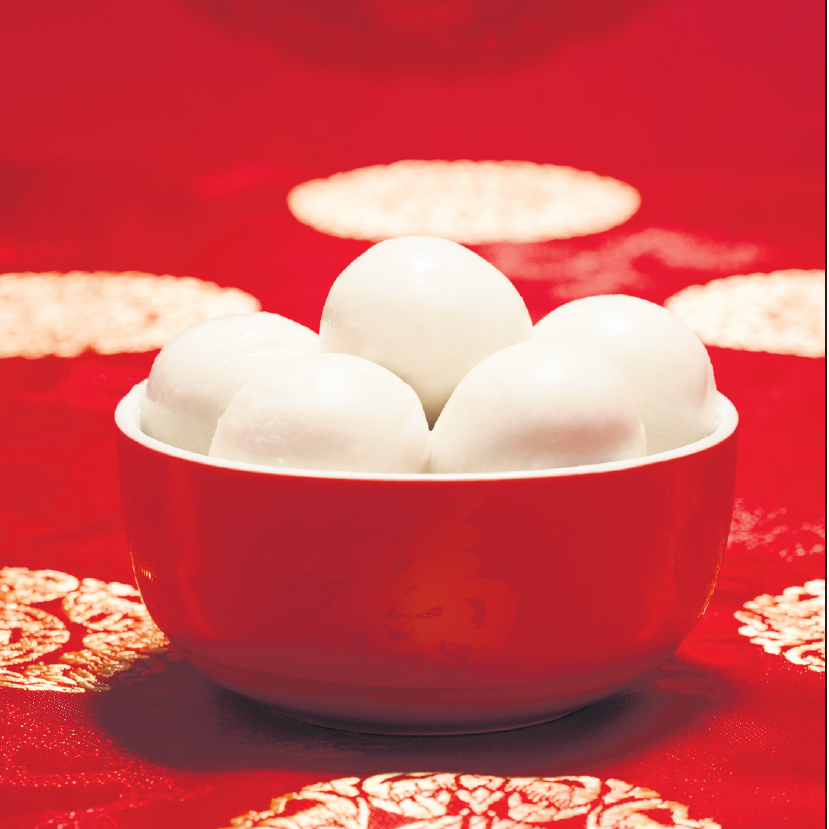
Sweet Rice Wine
Introduction
Sweet rice wine, also known as "jiu niang" in Chinese, is a traditional fermented rice beverage enjoyed across various regions of China. This mildly sweet and slightly alcoholic drink is often made from glutinous rice and specifically cultivated fermentation starters. It holds a special place in Chinese culinary and cultural traditions, frequently appearing in festivals, family gatherings, and special occasions due to its symbolic and ceremonial significance. Sweet rice wine is not only valued for its unique taste and aroma but also for its role in enhancing the flavors of dishes and desserts, particularly during festive seasons.
History
The history of sweet rice wine in China spans thousands of years, tracing back to ancient times when rice cultivation began to spread across the region. The process of fermenting rice to produce alcoholic beverages is believed to have originated in the early agricultural societies, making rice wine one of the oldest forms of alcohol in Chinese history. Over the centuries, sweet rice wine has been associated with various dynastic eras, each contributing to the development of its production techniques and cultural significance.
During the Han Dynasty (206 BC-AD 220), sweet rice wine became an integral part of Chinese traditions, often associated with rituals and celebrations. The Lantern Festival, part of the Chinese New Year festivities, is one such occasion where sweet rice wine is traditionally consumed. Initially, this festival was a tribute to the ancient god of light and was later incorporated into the New Year celebrations, marking an end to the Chinese Spring Festival. Sweet rice wine was often used in offerings and as a celebratory beverage due to its auspicious symbolism.
As time passed, the production and consumption of sweet rice wine became widespread throughout China, with regional variations emerging based on local customs and ingredient availability. Despite the modernization and rapid development in recent decades, the tradition of making and enjoying sweet rice wine has been preserved, reflecting the enduring cultural heritage and culinary wisdom passed down through generations.
Ingredients
The primary ingredients used in making sweet rice wine are glutinous rice and a fermentation starter, known as "qu" or "jiuqu" in Chinese. Glutinous rice, also referred to as sticky rice, is chosen for its high starch content, which is essential for the fermentation process. This type of rice is characterized by its sticky texture when cooked, making it ideal for creating the desired consistency and sweetness in the wine.
The fermentation starter is a blend of specific strains of yeast and bacteria that initiate the fermentation process. This starter is critical for converting the starches in the rice into sugars and alcohol, resulting in the characteristic sweet and mildly alcoholic flavor of the rice wine. In addition to these essential components, water is used to cook the rice and aid in fermentation.
Some variations of sweet rice wine may incorporate additional ingredients to enhance flavor or aroma, such as osmanthus flowers, which are often used to scent the wine. Osmanthus, known for its sweet, floral fragrance, imparts a delicate aroma to the wine, making it a popular choice for special occasions and festive recipes.
Preparation
The preparation of sweet rice wine involves several key steps that require precision and patience to achieve the desired flavor and consistency. The process begins with the selection and preparation of glutinous rice. The rice is thoroughly washed and soaked in water to soften it, ensuring even cooking. Once soaked, the rice is steamed until fully cooked, creating a sticky, pliable base for fermentation.
After cooking, the rice is allowed to cool before being mixed with the fermentation starter. This step is crucial, as the temperature must be optimal for the yeast and bacteria to activate without being killed by excessive heat. The rice and starter mixture is then placed in a fermentation vessel, traditionally a ceramic or glass jar, and sealed to create an anaerobic environment conducive to fermentation.
The fermentation process can last from several days to several weeks, depending on the desired sweetness and alcohol content of the final product. During this time, the microorganisms in the starter convert the starches in the rice into sugars and alcohol, resulting in a sweet, aromatic liquid with a milky appearance. Once fermentation is complete, the sweet rice wine may be strained to remove any solid rice particles, though some variations are left unfiltered for a thicker consistency.
Cultural Significance
Sweet rice wine holds significant cultural value in Chinese society, deeply embedded in both historical traditions and modern celebrations. Its consumption is closely linked to various festivals and ceremonies, symbolizing prosperity, longevity, and harmony. The Lantern Festival is one of the most prominent occasions where sweet rice wine plays a vital role. Celebrated on the 15th day of the first month of the traditional Chinese calendar, the festival marks the culmination of New Year festivities and is characterized by family reunions and the consumption of symbolic foods, including sweet rice wine.








